The 6 Best Bread Knives of 2026
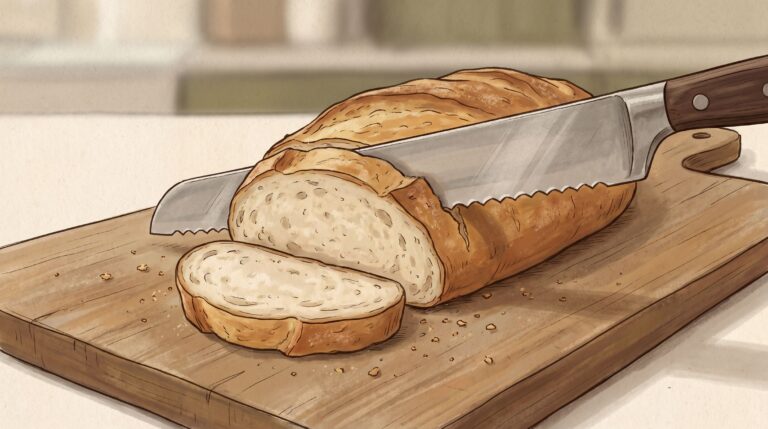
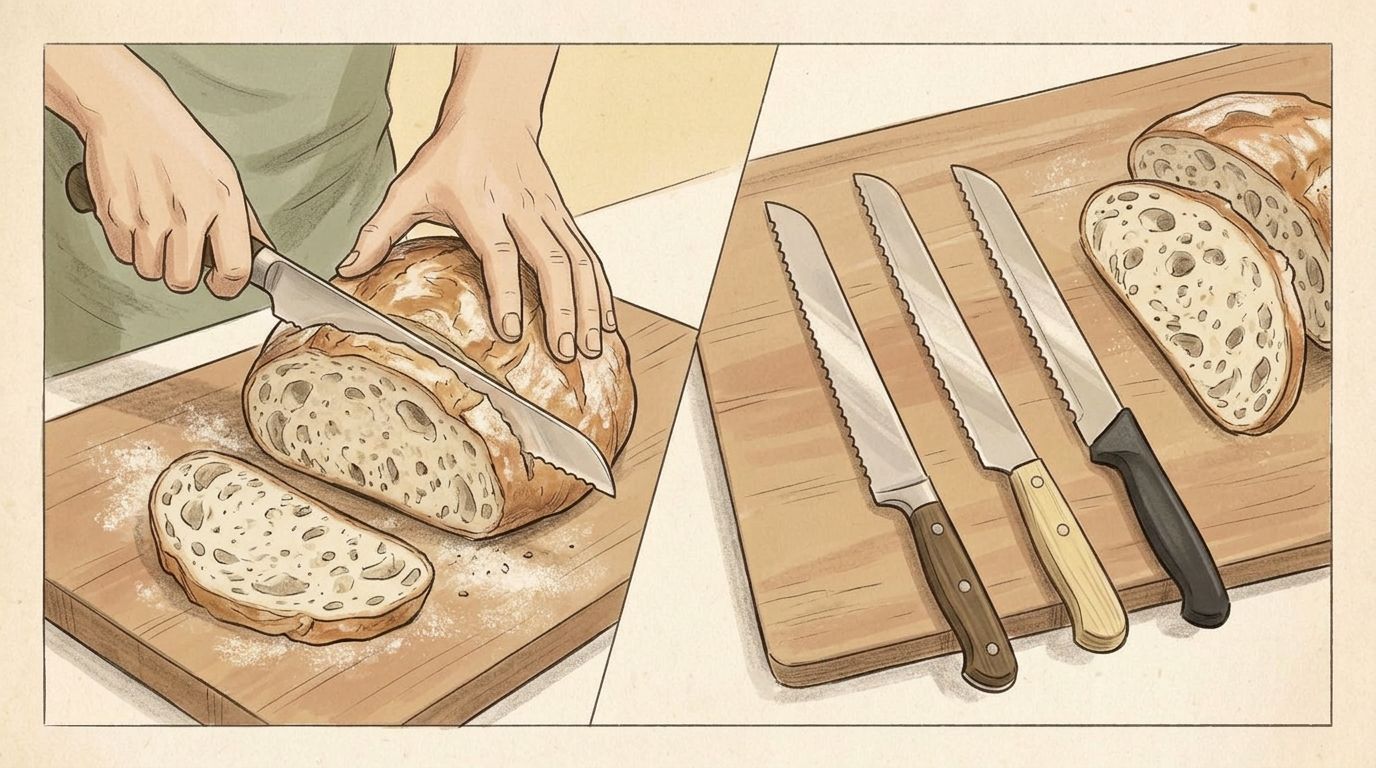
A bread knife is the one knife your chef’s knife cannot replace. The long serrated edge saws through a hard crust without crushing the soft crumb underneath, which is why a good one turns a fresh sourdough into clean, even slices instead of a torn, flattened mess. The bad news: most bread knives sold in block sets are mediocre, and a great one does not cost much more than a bad one.
We pulled together six bread knives worth owning, from a $20 budget pick that punches far above its price to a $260 splurge. Each one is available at KnifeCenter, and each earns its spot for a specific kind of cook. If you want the short version: the Wusthof Classic is the best all-rounder, and the Mercer Millennia is the best value in the kitchen, full stop.
For the full picture on blade styles and how a bread knife works, see our complete guide to bread knives. This page is about which one to buy.
Our Picks at a Glance
- Best overall: Wusthof Classic 8″ Serrated Bread Knife (around $135)
- Best value: Mercer Culinary Millennia 8″ Bread Knife (around $20)
- Best workhorse: Victorinox Forschner 10.25″ Serrated Bread Knife (around $73)
- Best for crusty bread and sourdough: Spyderco Bread Knife (around $74)
- Best Japanese pick: Shun Classic 9″ Bread Knife (around $190)
- Best splurge: Wusthof Ikon 8″ Bread Knife (around $260)
Best Overall: Wusthof Classic 8″ Serrated Bread Knife
The Wusthof Classic is the bread knife other Western bread knives are measured against. It is forged in Solingen, Germany, from a single piece of high-carbon stainless steel, with a full tang and a full bolster that gives it a planted, balanced feel in the hand. The pointed serrations bite aggressively into hard crust, and at 8 inches the blade is long enough for most loaves without being unwieldy.
At around $135 it is not the cheapest knife here, but it is the one most home cooks should buy if they want a single bread knife to keep for decades. The fit and finish are a clear step above the budget picks, and Wusthof’s serration pattern holds up well over years of use.
If your kitchen already runs on Wusthof chef’s knives, this keeps the set consistent. The one trade-off: like any serrated blade, the serrations cannot be touched up at home with a standard whetstone, so you send it out every few years or live with a slow decline.
Best Value: Mercer Culinary Millennia 8″ Bread Knife
For around $20, the Mercer Millennia does about 90 percent of what the Wusthof does. The blade is stamped Japanese stainless steel with a wide, aggressive serration that bites through crust cleanly, and the textured santoprene handle grips well even with wet or floury hands. It is the knife culinary schools hand to students because it is cheap, effective, and nearly indestructible.
This is the pick for anyone who does not want to spend much and still wants a real bread knife instead of the dull serrated blade that came with their block set. The handle is not as refined as a forged German knife and the balance is more blade-heavy, but for slicing bread that hardly matters.
If you buy one knife off this list to replace a bad bread knife, make it this one. You will not feel the need to upgrade for years.
Best Workhorse: Victorinox Forschner 10.25″ Serrated Bread Knife
Victorinox (sold under the Forschner name in professional kitchens for years) makes the blades that commercial bakeries and delis actually use. This 10.25-inch version is longer than most home bread knives, which is exactly what you want for large country loaves, long baguettes, and slicing a watermelon or a layer cake in a single pass. The rosewood handle is classic and comfortable, and the stamped blade is light and razor sharp out of the box.
The extra length is the whole point. If you bake big rustic loaves or you want one bread knife that doubles as a slicer for melons and roasts, the reach of a 10-inch blade beats a standard 8-incher.
It costs more than the Mercer but less than the forged German knives, and the value is hard to argue with. The only reason not to buy it is if your storage cannot accommodate a longer blade.
Best for Crusty Bread and Sourdough: Spyderco Bread Knife
The Spyderco bread knife is the cult favorite among serious home bakers, and for good reason. It pairs a long full-flat-ground blade with Spyderco’s aggressive serrations in MBS-26 stainless steel, and the result is one of the grippiest serrated edges made.
On a hard sourdough or a well-baked baguette, it bites through the crust on the first pull with almost no downward pressure, which is exactly what keeps the airy crumb from compressing. At 10.25 inches the blade is also long enough to cross a big boule in a single stroke.
At a little over $70 it sits between the value picks and the premium German knives, and the lightweight polypropylene handle is plain rather than pretty. But if your main job for a bread knife is slicing crusty artisan loaves and home-baked sourdough, this is the most capable blade on the list at any price.
This is also the bread knife I use in my own kitchen, and it is the one I reach for on crusty bread without a second thought. Bakers who own one rarely reach for anything else.
Best Japanese Pick: Shun Classic 9″ Bread Knife
The Shun Classic is the bread knife to buy if you want something that performs beautifully and looks stunning on the counter. The blade has a VG-MAX steel core clad in 68 layers of stainless Damascus, and the scalloped serrations are wider and gentler than the aggressive pointed teeth on Western knives.
That gentler edge slices soft breads, delicate cakes, and tomatoes especially cleanly, while still handling crusty loaves well. The D-shaped PakkaWood handle sits comfortably during long slicing sessions.
At around $190 it is a genuine premium purchase, and it makes the most sense if you already own Shun knives and want to complete the set, or if you simply appreciate the craftsmanship. The scalloped edge is the more versatile pattern for a cook who slices a lot of soft bread and pastry, not just hard crust. As with all premium serrated knives, plan to have it professionally sharpened rather than doing it yourself.
Best Splurge: Wusthof Ikon 8″ Bread Knife
If the Wusthof Classic is the sensible best-overall pick, the Ikon is the same Solingen quality with an upgrade in feel and finish. The blackwood handle is contoured and triple-riveted, the balance is dialed in slightly more toward the hand, and the whole knife carries a more substantial, premium presence. The blade and serration performance are very close to the Classic; what you pay extra for is the handle, the aesthetics, and the heft.
This is the pick for the cook who wants the nicest German bread knife and does not mind paying for it, or who is buying a gift that should feel special. For pure slicing performance, the Classic at half the price gets you most of the way there. But the Ikon is the one you reach for and enjoy holding, and on a knife you will keep for decades that counts for something.
What to Look for in a Bread Knife
Four things separate a great bread knife from a frustrating one. Get these right and almost any blade will serve you well.
Serration style. Pointed serrations (sharp triangular teeth) bite hardest into tough crust and are the most common Western pattern. Scalloped serrations (rounded waves) are gentler and slice soft breads, cakes, and tomatoes more cleanly. For a general home bread knife, pointed serrations handle crusty bread best, while scalloped is the more versatile all-rounder. Avoid bread knives with shallow, decorative serrations that look serrated but do not bite.
Length. Eight to ten inches is the right range. An 8-inch blade handles most loaves and stores easily. A 10-inch blade crosses a large country loaf or a watermelon in a single pass, which produces cleaner slices but needs more drawer or block space. Shorter than 8 inches and you end up sawing back and forth, which tears the crumb.
Straight versus offset. Most bread knives have a straight blade in line with the handle. Offset bread knives drop the blade below the handle so your knuckles clear the cutting board on long strokes. Offset blades are popular with bakers and delis who slice on a board all day, but for most home cooks a straight blade is more versatile because it also works off the board for melons and tall loaves.
Steel and handle. Bread knives stay sharp for years because the serrations only contact food, so steel matters less here than on a chef’s knife. Any decent stainless steel is fine. Focus instead on a comfortable, grippy handle, since bread slicing involves a firm pulling stroke and your hands are often floury or damp.
Choosing a Bread Knife for Sourdough and Crusty Loaves
Home-baked sourdough and crusty artisan loaves are the hardest test for a bread knife. The crust is thick and firm, the interior is open and airy, and a poor knife crushes the crumb before the serrations break through the shell. Two things make the difference here.
First, you want aggressive serrations that bite the crust on the first stroke so you do not have to press down. The Spyderco bread knife is the standout for exactly this reason, and the Wusthof Classic and Victorinox both handle crusty bread well.
Second, a longer blade (9 to 10 inches) lets you cross a wide boule in fewer strokes, which keeps slices even. If sourdough is your main reason for buying a bread knife, prioritize serration aggression and length over a refined handle.
Caring for Your Bread Knife
The good news about bread knives is that they barely need maintenance. Because the serrations only touch food and never a hard board, the edge stays sharp far longer than a straight-edged chef’s knife. You will likely go years before a quality bread knife needs attention.
When the day comes, a serrated edge cannot be sharpened on a flat whetstone. Each serration has to be honed individually with a tapered ceramic or diamond rod, which most people leave to a professional every few years.
Until then, the only care a bread knife needs is to be hand washed and dried. Never put it in the dishwasher, where heat and detergent damage the edge and handle. For everything else in your kitchen, our guides to sharpening kitchen knives and honing versus sharpening cover how to keep your straight-edged blades in shape.
Frequently Asked Questions
What is the best bread knife for the money?
The Mercer Culinary Millennia at around $20 is the best value bread knife you can buy. It slices crust cleanly, has a grippy handle, and is nearly indestructible. For most home cooks it is all the bread knife they will ever need. It also anchors our full budget kitchen knife kit.
What length bread knife is best?
Eight inches suits most home kitchens and stores easily. Step up to a 9 or 10-inch blade if you bake large country loaves or sourdough boules, or if you want one knife that also slices melons, layer cakes, and roasts. Avoid anything shorter than 8 inches, which forces you to saw back and forth and tears the crumb.
Are expensive bread knives worth it?
For most people, no. A $20 Mercer slices bread nearly as well as a $260 Wusthof Ikon. What you pay extra for is handle comfort, fit and finish, balance, and longevity, not dramatically better slicing.
A premium bread knife is worth it if you want a knife to keep for decades, you are matching an existing set, or you simply enjoy using a beautiful tool. For pure performance, the budget picks are remarkably close.
Can you sharpen a serrated bread knife?
Yes, but not with a standard whetstone or pull-through sharpener, which would destroy the serrations. Each scallop has to be honed individually with a tapered ceramic or diamond rod sized to match it. It is fiddly, so most people have it done professionally every few years. The good news is that serrated edges stay sharp far longer than straight edges, so you rarely need to.
Pointed or scalloped serrations: which is better?
Pointed serrations bite harder into tough crust and are the better choice if you mostly slice crusty artisan bread. Scalloped serrations are gentler and produce cleaner slices on soft breads, cakes, and tomatoes, making them the more versatile all-rounder. For a single do-everything bread knife, scalloped is the safer pick; for hard-crusted sourdough, pointed wins.
Do I need a bread knife if I have a chef’s knife?
Yes. A chef’s knife crushes a crusty loaf because it cuts by pressing straight down, which flattens the soft interior before the edge breaks the crust. A serrated bread knife saws through the crust with light pressure so the crumb keeps its shape.
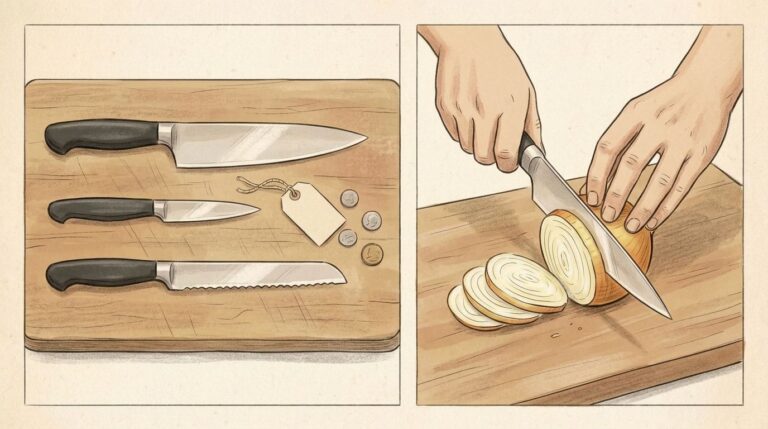
Along with a chef’s knife and a paring knife, a bread knife completes the trio that handles almost every cutting task in a home kitchen.
The Bottom Line
If you want one recommendation: buy the Mercer Millennia for $20 and you will have a genuinely good bread knife that lasts for years.
If you want a knife to keep for decades and enjoy using, the Wusthof Classic is the best all-rounder, and the Spyderco is the specialist to own if you bake crusty sourdough at home. Spend up to the Shun or Wusthof Ikon only if you want premium finish or are matching a set.
Whichever you choose, almost any dedicated bread knife will outperform the dull serrated blade that came with your block set. For more on how bread knives work and the different blade styles, read our complete guide to bread knives, or see the essential kitchen knives every home cook should own.