The Complete Guide to Bread Knives (What to Look For + Our Picks)
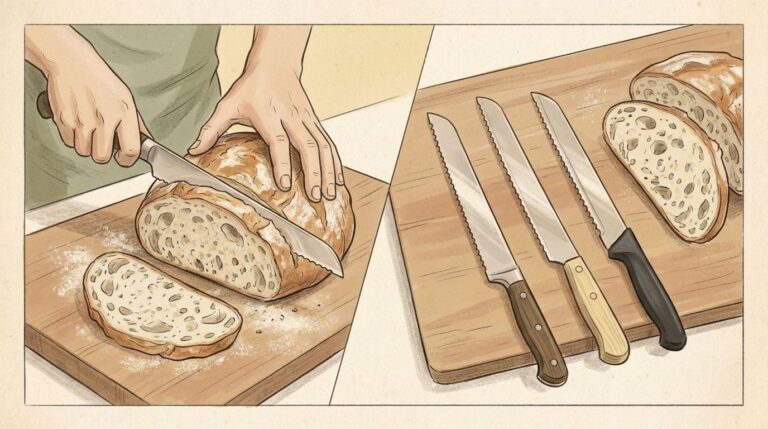
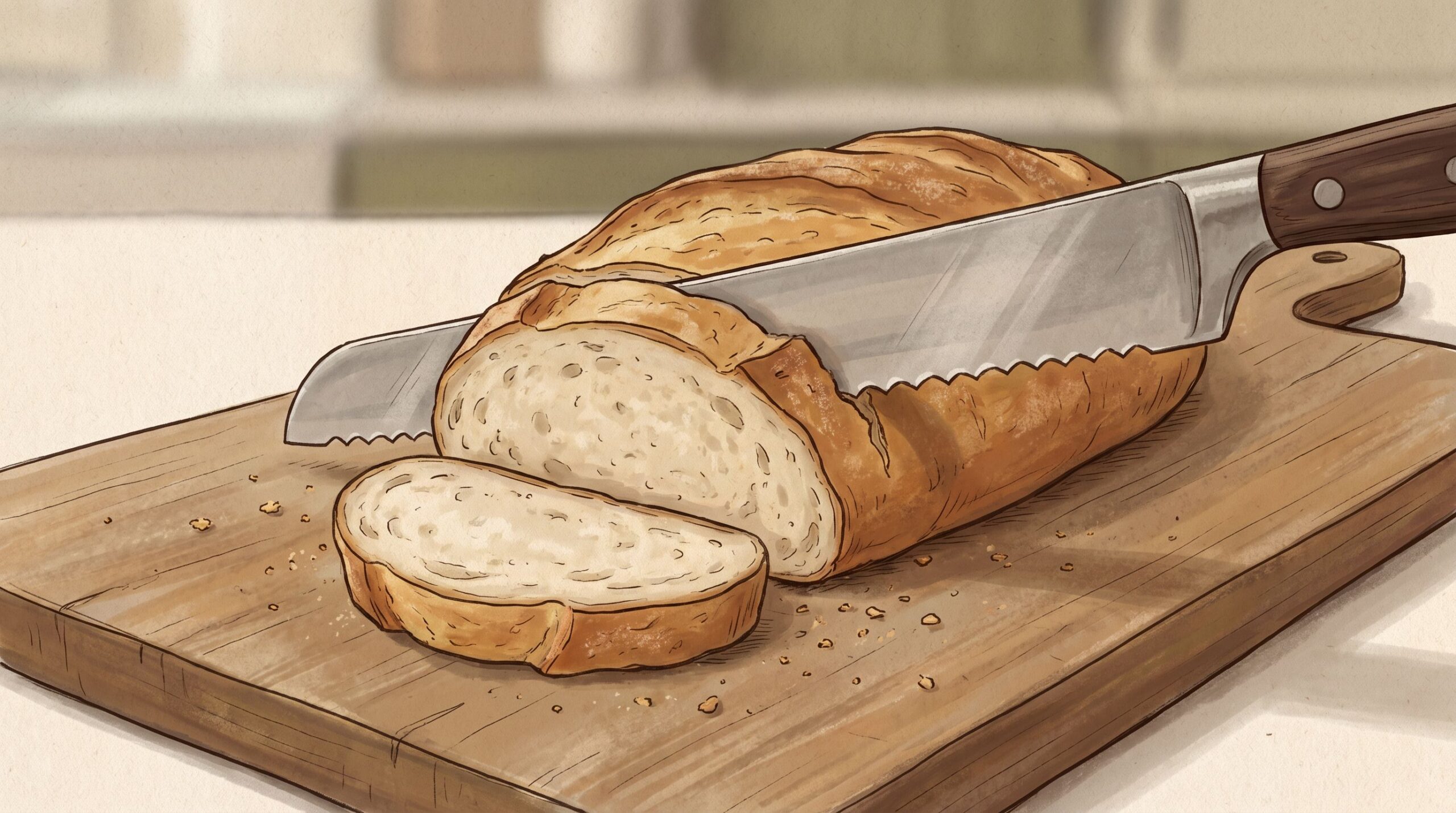
Try slicing a fresh sourdough with your chef’s knife. Watch the loaf collapse into a torn, flattened disc as the blade presses through the crust. A bread knife exists to stop exactly that. The long serrated edge saws through the crust without pressing down on the crumb underneath, so every slice keeps its shape.
A bread knife is a long knife (usually 8 to 10 inches) with a serrated edge designed for foods that have a tough exterior and a soft interior. Bread is the obvious one. The same edge also handles tomatoes, melons, layer cakes, and anything else where a smooth blade would slip or squish.
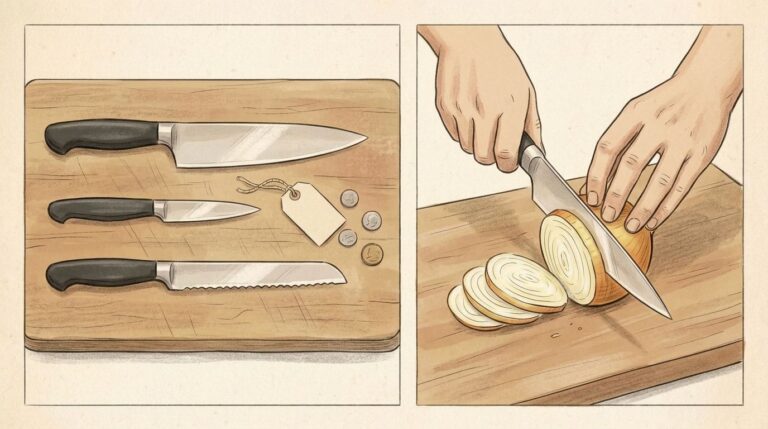
Along with a chef’s knife and a paring knife, the bread knife completes the trio that covers almost every cutting task in a home kitchen. If you only own three knives, this should be one of them.
What a Bread Knife Is Used For
The bread knife is built for anything with a crust, a skin, or a soft interior that doesn’t like being pressed.
Slicing crusty bread. Sourdough, baguette, ciabatta, country loaves. The serrated teeth bite through a hard crust on the sawing stroke so you don’t have to push down. Minimal downward pressure is the whole reason the interior stays airy.
Soft breads and bagels. Brioche, milk bread, fresh bagels. A smooth blade drags and tears soft crumb. Serrations glide through it.
Tomatoes. A dull chef’s knife will skate right off a tomato skin. A serrated bread knife grips the skin on the first pull and slices through cleanly.
Melons, pineapple, and thick-skinned fruit. A 10-inch serrated blade is long enough to cut all the way through a watermelon or honeydew in one pass. Same for pineapple skin and tough winter squash.
Layer cakes and cheesecakes. Pastry chefs use bread knives to split cake layers and trim sponges because the gentle sawing motion doesn’t compress the crumb. Run a wet towel over the blade between cuts on sticky cakes.
Hard salamis and rind-on cheeses. The teeth cut through casing and rind without tearing the softer interior.
Why Serrations Work
A smooth blade cuts by pressing straight down. That works on most vegetables and proteins, but it fails on anything with a hard outer shell. The force flattens the soft interior before the edge breaks through the crust.
Serrations work by concentration. Each tooth focuses pressure into a tiny point, so a light sawing stroke is enough to break the crust. Once past the hard layer, the scallops between the teeth glide through the soft interior without crushing it. More cutting, less force.
Bread Knife Blade Styles
Not all serrations are the same. Three styles dominate, and each has a clear use case.
Pointed serrations. Sharp, triangular teeth. These bite aggressively into tough crusts and are the most common pattern on European bread knives. Good for rustic loaves with a hard exterior.
Scalloped (wavy) serrations. Rounded, wave-like edges. These are gentler than pointed teeth and produce cleaner slices on soft breads, cakes, and delicate pastries. The Spyderco bread knife uses this pattern. So do most Japanese and premium Western offerings.
Offset (bent) blades. The blade drops below the handle so your knuckles clear the cutting board on long strokes. Popular with bakers and delis because it’s the most ergonomic shape for slicing through a tall loaf on a board. Worth considering if you slice a lot of sandwich bread.
What to Look For in a Bread Knife
Blade length. 9 to 10 inches is the right size for most home cooks. Short enough to store and handle comfortably, long enough to cut a round loaf or melon in one smooth stroke. 8-inch models work for smaller loaves and sandwich bread. Anything under 8 inches gets frustrating fast.
Blade style. Pointed teeth for crusty artisan bread, scalloped for soft bread and delicate cakes, offset for heavy daily slicing. Most home cooks are best served by scalloped serrations on a straight (non-offset) blade. It’s the most versatile pattern.
Blade steel. Bread knives don’t need the edge retention of a chef’s knife because serrations stay effective far longer than a smooth edge. Any quality stainless steel will do. Common choices include X50CrMoV15 (German), MBS-26 (Japanese stainless), and VG-10 or VG-MAX on higher-end Japanese models.
Handle comfort. You’ll use a sawing motion, so the handle needs to feel secure in your grip through the full length of a slice. Polypropylene, Fibrox, and Pakkawood handles all work well. Avoid slick wood without a grip texture.
Weight and balance. Lighter is usually better for a bread knife. You’re sawing, not chopping, and a heavy blade tires out your arm over a long baking session.
Our Bread Knife Picks
Any of these will outperform whatever serrated knife came with your block set. For the full rundown across every budget, see our guide to the best bread knives.
Under $40: great starter picks
Victorinox Forschner 10.25″ Serrated Bread Knife (~$40)
Same story as the Victorinox paring knife: Swiss made, sharp out of the box, and absurdly good for the money. The 10.25-inch blade is long enough for anything a home cook will slice, and the rosewood handle looks better than you’d expect at this price. If you want one bread knife that just works, start here.
Mercer Millennia 8″ Bread Knife (~$20)
The Millennia is the serrated knife you’ll find in most culinary school tool kits. The Santoprene handle has a textured grip that holds when your hands are floured or wet, and the 8-inch blade is a comfortable size for sandwich loaves. You’re not getting a lifetime heirloom, but you’re getting a very good knife for very little money. It is also the bread knife in our best budget kitchen knives guide.
$40-$100: the upgrade tier
Spyderco K01 Bread Knife 10.24″ (~$74)
This is our favorite bread knife in the upgrade tier. Spyderco isn’t the first name you think of for kitchen cutlery, but they know serrations better than almost anyone, and it shows. The MBS-26 Japanese stainless takes a scalloped serrated edge that bites into artisan crust on the first stroke and keeps cutting for years without losing bite.
The 10.24-inch blade clears a full sourdough in one pass, and the lightweight polypropylene handle has a subtle contour that sits naturally in the hand on long slicing sessions. The knife is also dishwasher safe, though we still recommend hand washing any knife. If you bake regularly, or you’ve been disappointed by the serrated knife that came with your block set, this is the upgrade that makes the difference obvious.
Wusthof Gourmet 8″ Bread Knife (~$80)
The Gourmet line is Wusthof’s stamped (rather than forged) series, which keeps the price down without giving up the German build quality. The blade is thinner and lighter than the forged Classic, which suits a bread knife well. If you already use Wusthof for your chef’s knife, this keeps the set consistent at a reasonable price.
$100+: premium picks
Wusthof Ikon 8″ Bread Knife (~$210)
The Ikon is Wusthof’s top-tier forged line. Full tang, double bolster, Blackwood handles, and a balanced, substantial feel that makes you reach for it every time. Heavier than the Spyderco but beautifully finished. The bread knife you buy when you’ve decided your kitchen deserves nice things.
Shun Classic 9″ Bread Knife (~$195)
The Japanese take on a bread knife. VG-MAX steel core, 68 layers of Damascus stainless cladding, and a D-shaped PakkaWood handle. The scalloped edge is finer than most Western bread knives, so it slices delicate cakes and soft breads especially cleanly. If you already own Shun chef’s knives, this completes the set.
How to Use a Bread Knife
Technique matters more than the knife. Most people press down too hard and saw too fast. Do the opposite.
Let the serrations do the work. Place the blade flat on the crust, don’t press down, and start a long, gentle sawing motion. The teeth will grab the crust on the pull stroke and start cutting. Add light pressure only after the serrations have broken through the hard layer.
Use the full length of the blade. Long strokes. If you’re making short, choppy cuts, you’re working harder than you need to. Start the stroke at the heel and finish at the tip.
Let the bread rest before slicing. Hot bread straight out of the oven is soft and gummy inside. Wait at least 20 to 30 minutes for the crumb to set before you slice it. The slices will be cleaner and the bread will taste better.
Turn delicate items on their side. For tomatoes and soft fruit, lay them on their side and slice down through the equator. You get cleaner slices than cutting from the top because the skin meets the serrations at a better angle.
Bread Knife Care
Serrated knives have a quirk that makes them easier to live with than most blades, and one that makes them harder.
Serrations hold an edge for years. Each tooth touches the cutting board only briefly, so the steel wears much more slowly than a smooth blade. A quality bread knife can go a decade between sharpenings.
Sharpening is harder when the time comes. You can’t run a serrated blade across a whetstone or through a pull-through sharpener. Each tooth has to be honed individually with a tapered ceramic or diamond rod sized to match the curve of the scallop.
Our sharpening guide covers the technique. Plenty of home cooks send a serrated knife out for professional sharpening every few years instead, which costs about the same as a decent dinner.
Hand wash it. Skip the dishwasher. Heat and detergent will pit the steel and loosen the handle over time. A quick wash, rinse, and towel dry is all it takes. We wrote a full breakdown on why knives belong out of the dishwasher.
Store it safely. A bread knife is long, so a knife block or magnetic strip works better than a drawer. If you do drawer-store it, use a blade guard. The teeth can nick other blades (and your fingers).
Frequently Asked Questions
What length bread knife is best?
9 to 10 inches is the right size for most home cooks. It’s long enough to cut a full round loaf or a watermelon in one pass, but not so long that it’s awkward to store or handle. Go 8 inches if you mostly slice sandwich bread and want something more compact.
Can you sharpen a serrated bread knife?
Yes, but not with a standard whetstone or pull-through sharpener. Each serration has to be honed individually with a tapered ceramic or diamond rod sized to match the scallop. It takes patience.
Most people let a pro do it every few years, and use a honing rod for everyday maintenance on their other knives. Serrated blades stay sharp far longer than straight edges, so you won’t need to do it often.
Scalloped vs pointed serrations: which is better?
Scalloped serrations slice softer breads and cakes more cleanly and tend to stay sharp longer. Pointed serrations bite harder into tough crusts. For a general home bread knife, scalloped is the more versatile choice. If you bake mostly rustic, hard-crusted loaves, pointed can be worth it.
Do I need an offset bread knife?
Only if you do a lot of board slicing on tall loaves. The bent design keeps your knuckles off the cutting board during long strokes, which is useful for sandwich prep or deli-style work. For most home cooks, a straight 10-inch bread knife is more versatile because it also works well off the board for melons and tomatoes.
Is the Spyderco bread knife worth it?
If you bake regularly or slice crusty bread often, yes. Spyderco’s scalloped edge is one of the best serrated patterns made, and the knife has a lightweight, balanced feel that makes long slicing sessions easier. At around $74, it’s cheaper than the Wusthof Classic and cuts just as cleanly. The polypropylene handle isn’t as pretty as Pakkawood or Blackwood, but it grips well and holds up to anything.
Can a bread knife replace a chef’s knife?
No. They do different jobs. A bread knife saws through tough-skinned or soft-centered foods; a chef’s knife chops, dices, and minces. Owning both (plus a paring knife) covers almost every task in a home kitchen.
Can a bread knife slice a roast turkey or ham?
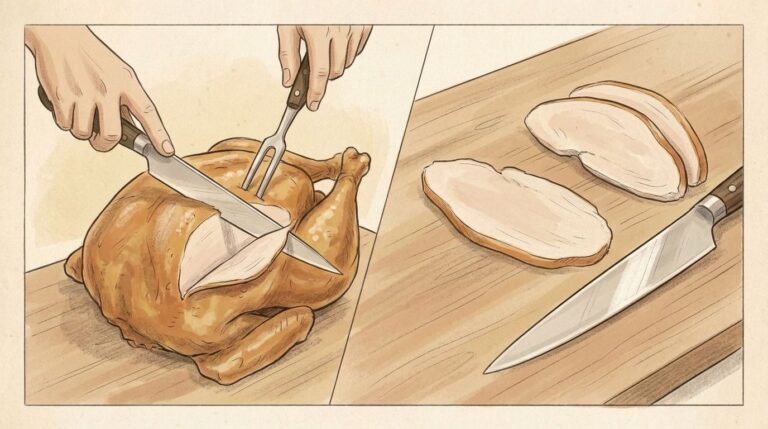
In a pinch, yes, but not cleanly. Bread knife serrations tear the surface of cooked meat instead of slicing it smoothly, so the slices come out ragged and lose more juice. For roasts, turkey, ham, and brisket, reach for a carving knife. The long, narrow, smooth blade is built for exactly that job.