What Is a Paring Knife? (And Why You Need One)
Your chef’s knife gets all the glory. It’s the one people obsess over, the one that sits front and center in the knife block. But pick up a paring knife and half the prep tasks that feel awkward with a big blade become effortless.
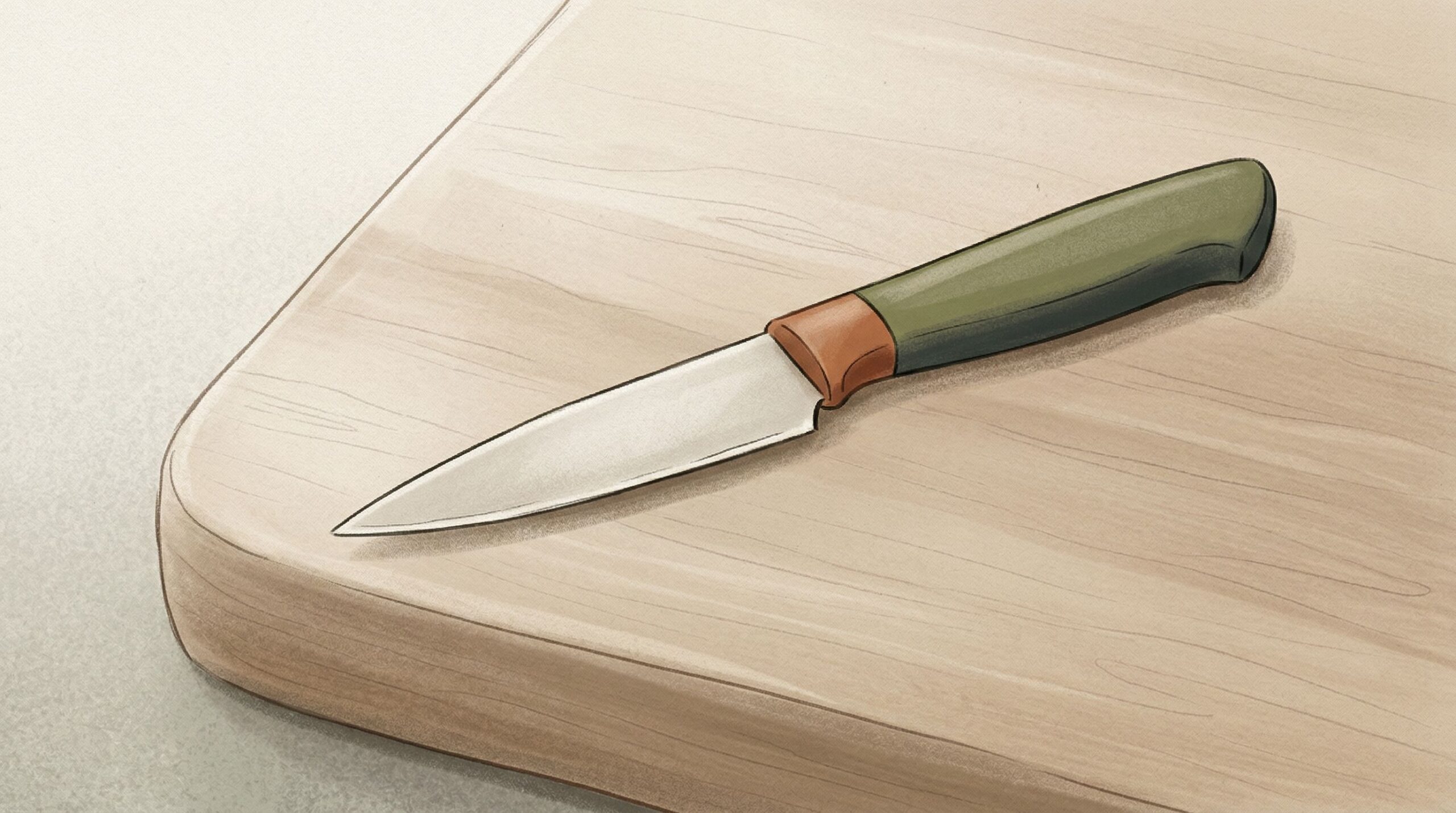
A paring knife is a short, lightweight knife with a 3 to 4 inch blade. It’s designed for precision work: peeling, trimming, coring, and any task where a chef’s knife feels like overkill. The name comes from “pare,” which means to trim or peel away the outer layer of something.
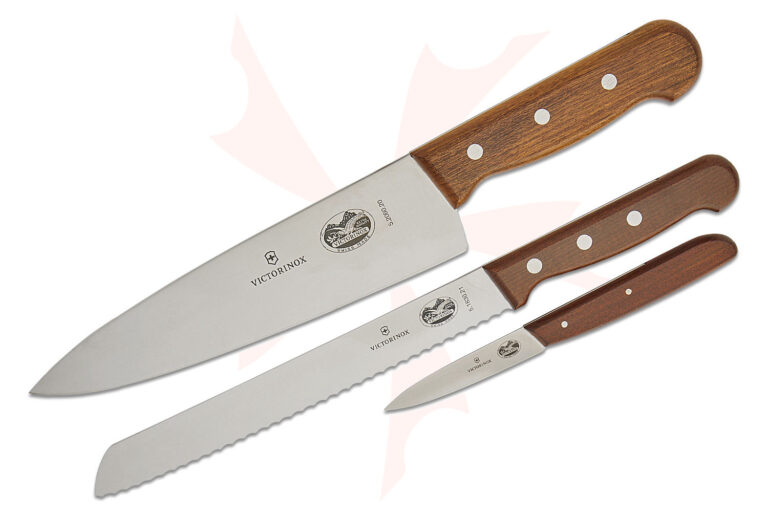
If you only own three kitchen knives, a paring knife should be one of them, right alongside a chef’s knife (or santoku) and a serrated bread knife. It’s one of those tools you don’t think about much until you use a good one. Then you wonder how you ever managed without it.
What a Paring Knife Is Used For
The paring knife shines on small, detailed tasks. These are the jobs it handles best.
Peeling fruits and vegetables. This is the paring knife’s signature move. Hold the food in one hand, the knife in the other, and peel toward your thumb in short, controlled strokes. Apples, potatoes, carrots, ginger root. It gives you far more control than a vegetable peeler, especially on irregular shapes.
Coring tomatoes and strawberries. Insert the tip of the blade around the stem and twist. Clean, fast, no wasted fruit.
Deveining shrimp. A paring knife’s pointed tip slides right along the back of the shrimp to score the shell and lift out the vein. It’s the right size for the job where a chef’s knife would be clumsy.
Trimming fat and silver skin. For smaller cuts of meat, the paring knife is easier to control than a larger blade. You can work around bones and remove thin layers of fat without taking the meat with it. For heavier work like breaking down a whole chicken or trimming a roast, reach for a boning knife instead.
Scoring. Need to cut shallow slits into bread dough before baking? Or crosshatch a duck breast so the fat renders evenly? A paring knife gives you the precision to score without cutting too deep.
Segmenting citrus. Slice off the top and bottom of an orange, follow the curve to remove the peel, then slide the blade between the membranes to release clean segments. This is delicate work, and the short blade keeps you in control.
Mincing small ingredients. Garlic cloves, shallots, small herbs. When the ingredient is small enough that your chef’s knife feels oversized, switch to the paring knife and work on the cutting board with a standard pinch grip.
Slicing small items. Radishes, cheese, mushrooms, strawberries. Anything that fits in your hand or sits small on the board.
Paring Knife vs. Chef Knife: When to Use Which
These two knives cover most kitchen tasks between them. The question is which one to reach for.
| Task | Paring knife | Chef knife |
|---|---|---|
| Peeling in hand | Yes | No |
| Coring | Yes | Awkward |
| Deveining shrimp | Yes | Too big |
| Chopping onions | No | Yes |
| Mincing garlic | Either works | Yes |
| Slicing meat | No | Yes |
| Dicing vegetables | No | Yes |
| Detail garnish work | Yes | No |
The general rule: if you’re holding the food in your hand, use the paring knife. If the food is on the cutting board and you need power or a rocking motion, use the chef knife.
Some tasks overlap. Mincing a few garlic cloves? Either knife works. But for most prep, you’ll develop an instinct for which one to grab. They complement each other.
Types of Paring Knives
Not all paring knives look the same. There are three main shapes, and each has a slightly different strength.
Standard (spear point)
This is the classic paring knife shape. A straight or slightly curved blade tapering to a pointed tip, usually 3 to 3.5 inches long. It handles everything: peeling, coring, trimming, slicing. If you only buy one paring knife, this is the one.
Bird’s beak (tourner)
Named for its curved, talon-like blade, the bird’s beak paring knife is designed for making smooth, rounded cuts. It excels at tourner cuts (turning vegetables into football shapes), peeling round fruits, and creating decorative garnishes. It’s more of a specialty tool. Most home cooks don’t need one, but if you do a lot of garnish work or decorative plating, it’s handy to have.
Sheep’s foot
This style has a flat cutting edge and a rounded, blunt tip. It’s designed for cutting on a board rather than in-hand work. The flat edge makes clean contact with the cutting surface, which is great for precise slicing. Less common than the standard shape, but worth knowing about.
For most home cooks: A standard spear-point paring knife is all you need.
What to Look for in a Paring Knife
Paring knives are simpler than chef’s knives. There are fewer variables. But a few things still matter.
Blade length. 3 to 4 inches is the sweet spot. Shorter than 3 inches feels cramped. Longer than 4 inches starts to overlap with a utility knife. For most people, 3.5 inches is ideal.
Weight and balance. A paring knife should feel light and nimble. Unlike a chef’s knife, where some weight helps with rocking and chopping, a paring knife is all about finesse. You want it to feel like an extension of your hand.
Handle comfort. This matters more on a paring knife than almost any other knife. You’ll hold it in unusual grips: reversed for peeling, choked up on the blade for detail work. The handle needs to feel secure and comfortable in all of those positions, not only in a standard forward grip.
Steel type. For most home cooks, stainless steel is the practical choice. It resists rust and requires less maintenance than carbon steel.
At the entry level, you’ll see steels like X50CrMoV15 (also labeled 4116). These are solid, nothing fancy, but they hold an edge well enough for regular kitchen use. If you want to step up, look for VG-10, a high-carbon stainless steel popular in Japanese knives that holds a sharper edge longer.
Edge type. Plain edge, always. A serrated paring knife exists, but it’s a different tool for a different purpose. For core paring tasks, you want a smooth, sharp edge.
Keep your paring knife sharp, whatever you buy. A dull paring knife is frustrating and more dangerous than a sharp one. If you’re not sure how to maintain the edge, our guide on how to sharpen kitchen knives walks through every method.
Our Paring Knife Picks
Every kitchen and budget is different, but any of these will get the job done well.
Under $20: great starter picks
Victorinox Swiss Classic 3.25″ Paring Knife (~$7-10)
This is the knife that professionals grab when they need a beater paring knife they won’t cry about if it gets lost. Swiss made, surprisingly sharp out of the box, and the polypropylene handle grips well even with wet hands. At this price, you could buy three and not think twice. It’s the best value in kitchen knives, period.
Mercer Culinary Genesis 3.5″ Paring Knife (~$15)
A step up from the Victorinox in feel and fit. Forged from a single piece of German steel with a non-slip Santoprene handle. The Genesis line is popular in culinary schools for good reason: professional quality at a fraction of the price. It is also the paring knife in our best budget kitchen knives guide.
$40-$80: the upgrade tier
Wusthof Classic 3.5″ Paring Knife (~$76)
The Wusthof Classic is the standard that other Western paring knives are measured against. Made in Solingen, Germany, full tang construction, and the kind of balanced, precise feel that makes you reach for it every time. If you already own a Wusthof chef’s knife, this keeps your set consistent.
Zwilling J.A. Henckels Pro 4″ Paring Knife (~$50)
Zwilling’s Pro line was designed by Italian architect Matteo Thun, and you can feel the thoughtfulness in the handle. The smooth bolster encourages a proper pinch grip, and the Friodur ice-hardened blade holds its edge longer than standard stainless. The 4-inch blade gives you a bit more reach if you prefer that.
$80+: premium picks
Shun Classic 3.5″ Paring Knife (~$80)
If you prefer the Japanese approach, the Shun Classic is excellent. The VG-MAX steel core (clad in 68 layers of Damascus stainless) takes a razor-sharp edge and holds it. The D-shaped PakkaWood handle sits well in the hand during extended detail work, and it looks stunning. A great match if you already use Shun chef’s knives.
Messermeister Oliva Elite 3.5″ Paring Knife (~$90)
This is the enthusiast pick. Forged in Germany from high-carbon stainless steel, with a bolsterless blade and a hand-polished olive wood handle that makes every knife’s grain unique. The spear-point blade is precise for detail work, and the heft sits a notch above the Wusthof Classic. It’s more knife than most home cooks need, but if you appreciate craftsmanship and want something special on the counter, it delivers.
How to Hold a Paring Knife
A paring knife works differently than a chef’s knife. You’ll use it in grips that would feel strange with a larger blade. Here are the three you should know.
The peeling grip (reverse hold)
Hold the handle with the blade pointing toward you. Place your thumb on the food you’re peeling. Draw the blade toward your thumb in short, controlled strokes, rotating the food as you go.
This is the fundamental paring motion. It takes a little practice to feel natural, but once it clicks, you’ll peel faster and waste less food than with a standard vegetable peeler.
The detail grip (choked up)
Slide your thumb and forefinger forward so you’re pinching the spine of the blade near the handle. This gives you precise control over the tip for tasks like coring, deveining, and scoring. You’re essentially shortening the knife, which lets you make very small, accurate cuts.
The cutting board grip

Same pinch grip you’d use on a chef’s knife. Thumb and forefinger grip the blade just in front of the handle, with your remaining fingers wrapped around the handle. Use this when you’re doing small cutting tasks on the board, like mincing garlic or slicing radishes.
Paring Knife Care
A paring knife doesn’t need much maintenance, but a few habits will keep it performing well for years.
Hand wash it. Never put your paring knife in the dishwasher. The heat, harsh detergent, and rattling against other utensils will dull and damage the blade. A quick wash with soap, a rinse, and a towel dry is all it takes. We wrote a full breakdown on why you should never put knives in the dishwasher.
Store it properly. Don’t toss it loose in a drawer where the edge bangs against other utensils. A knife block, magnetic strip, or blade guard all work well. Magnetic strips are easy to clean and let you grab the knife quickly.
Keep it sharp. A dull paring knife is more frustrating than a dull chef’s knife, because the tasks it handles require precision. Hone it regularly and sharpen every few months. See our breakdown of honing vs sharpening for the difference. Our sharpening guide covers every method from whetstones to electric sharpeners.
Frequently Asked Questions
What is the difference between a paring knife and a utility knife?
Size, mainly. A paring knife has a 3 to 4 inch blade designed for in-hand work like peeling and coring. A utility knife is longer (4 to 6 inches) and bridges the gap between a paring knife and a chef’s knife. Think of the utility knife as a small all-purpose blade for the cutting board, and the paring knife as a precision tool for in-hand detail work.
What size paring knife is best?
3.5 inches is the sweet spot for most people. It’s long enough to handle a variety of tasks without feeling cramped, and short enough to maintain the precision and control that define a paring knife.
Can you use a paring knife on a cutting board?
Absolutely. It’s great for small board tasks like slicing cheese, cutting strawberries, or dicing a shallot. Use a standard pinch grip just like you would with a chef’s knife. The paring knife is most useful off the board (peeling, coring, trimming), but there’s no rule against using it on one.
Do I need a paring knife if I have a chef knife?
Yes. They cover different territory. Try peeling an apple in your hand with an 8-inch chef’s knife and you’ll see why.
The paring knife handles small, precise, in-hand tasks that a chef’s knife is too large and heavy for. Together, they cover nearly every cutting task in the kitchen.
Are expensive paring knives worth it?
It depends on how you use it. A $7 Victorinox Swiss Classic paring knife is sharp, comfortable, and built to last. For most home cooks, that’s genuinely all you need.
The upgrade picks ($50-$80) give you nicer steel, better balance, and handles that feel more refined in the hand. Premium picks ($100+) are for people who appreciate craftsmanship and want their tools to feel special. The good news: even the entry-level picks are excellent knives. You’re not compromising on function at any price tier.